Embracing the thrill.
Beyond the comfort zone,
Striving for new heights.
-
CT Factory Co., Ltd.
- Design, manufacturing, and sales of research and experimental equipment.
Shuhei Yamamoto
- Prefecture
- Tokyo
- Business Activities
- Design, manufacturing, and sales of research and experimental equipment.
- Company Name
- CT Factory Co., Ltd.
- Representative Name
- Shuhei Yamamoto
- Location
-
〒141-0001
5-4-14, Kita-Shinagawa, Shinagawa-ku, Imasu Kita-Shinagawa Bldg. 1F, Tokyo, Japan
- Phone Number
- 03-5791-2111
- Website
Factory Stories
Connecting Researchers and Craftsmen
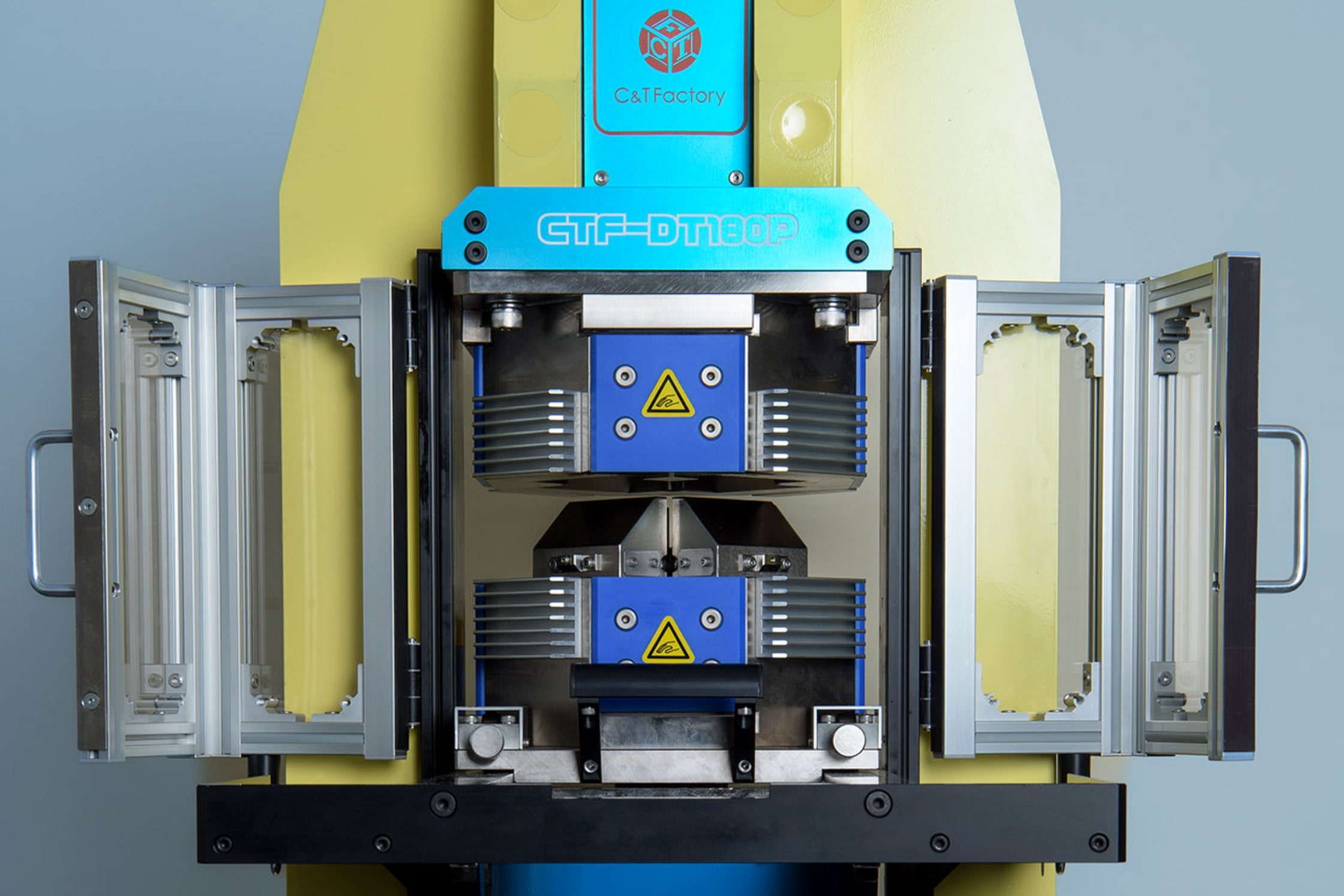
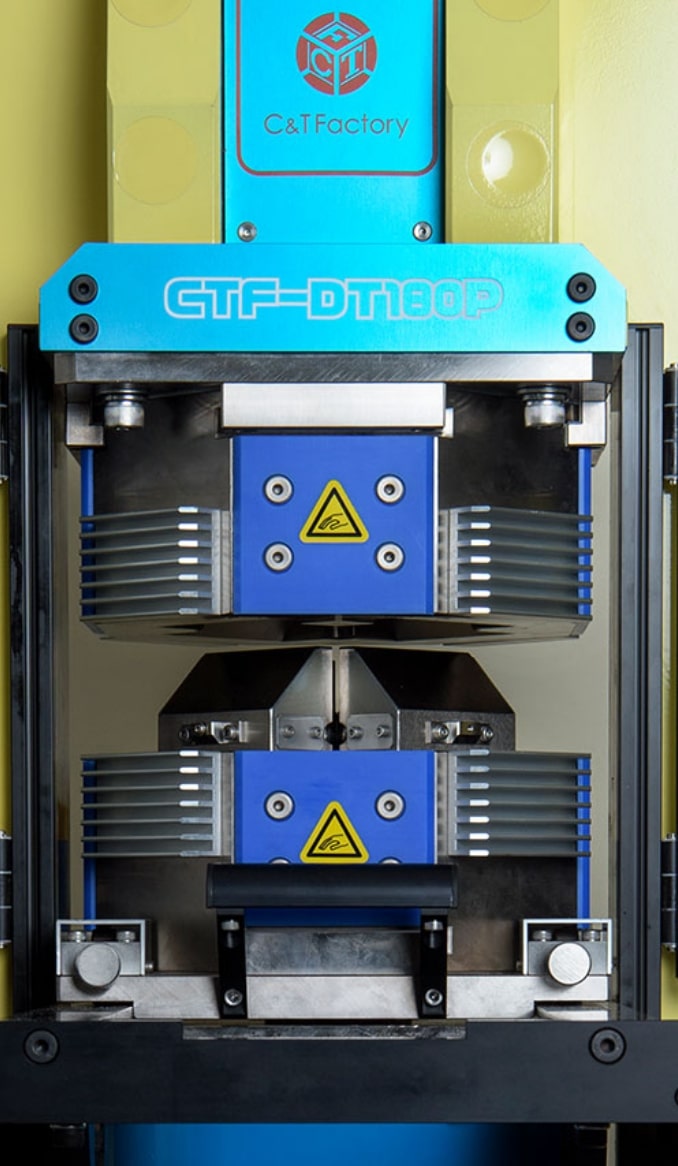
The website of CT Factory Co., Ltd., founded by Shuhei Yamamoto in 2010, lists prominent universities and research institutions such as the University of Tokyo and Kyoto University as its main clients.
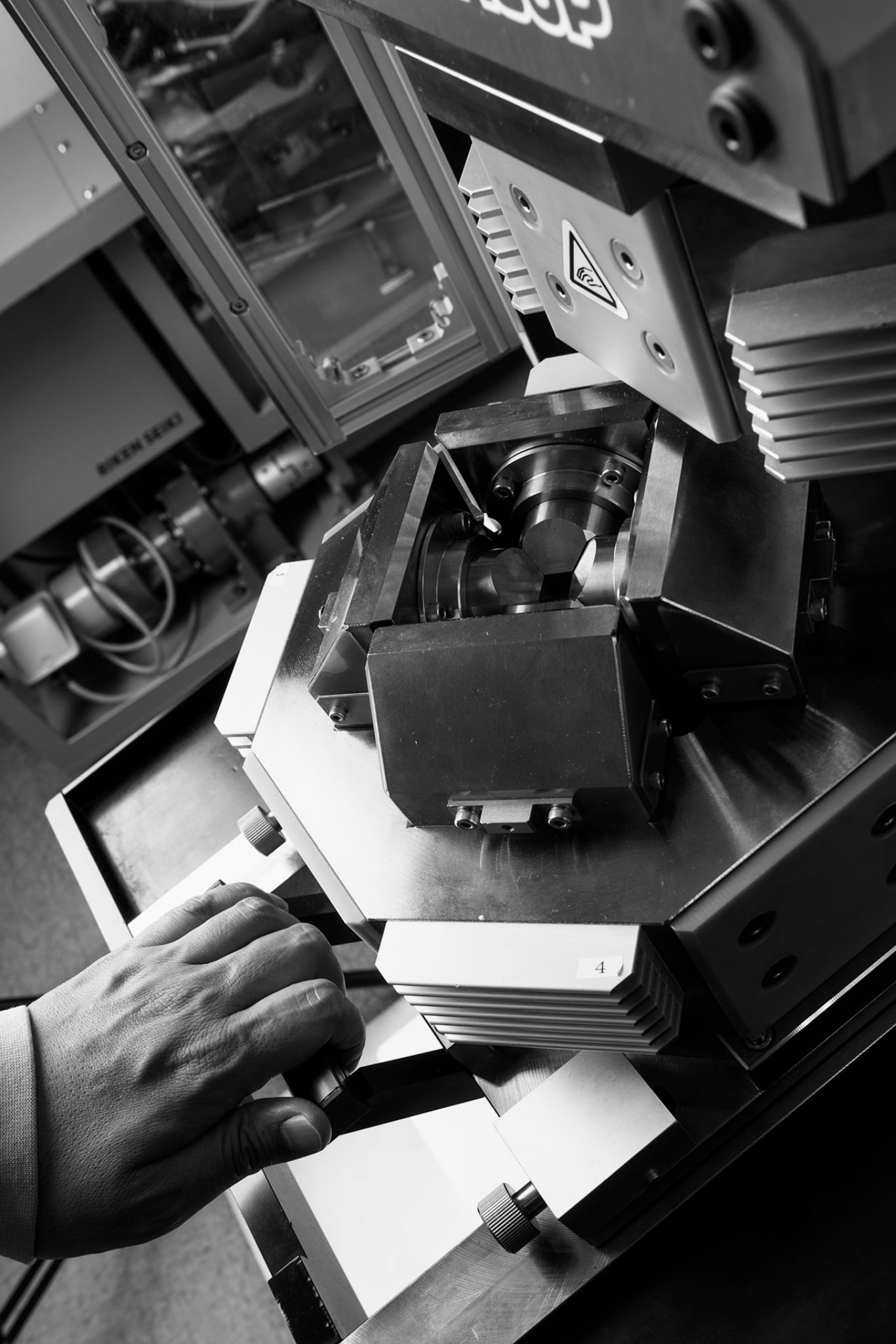
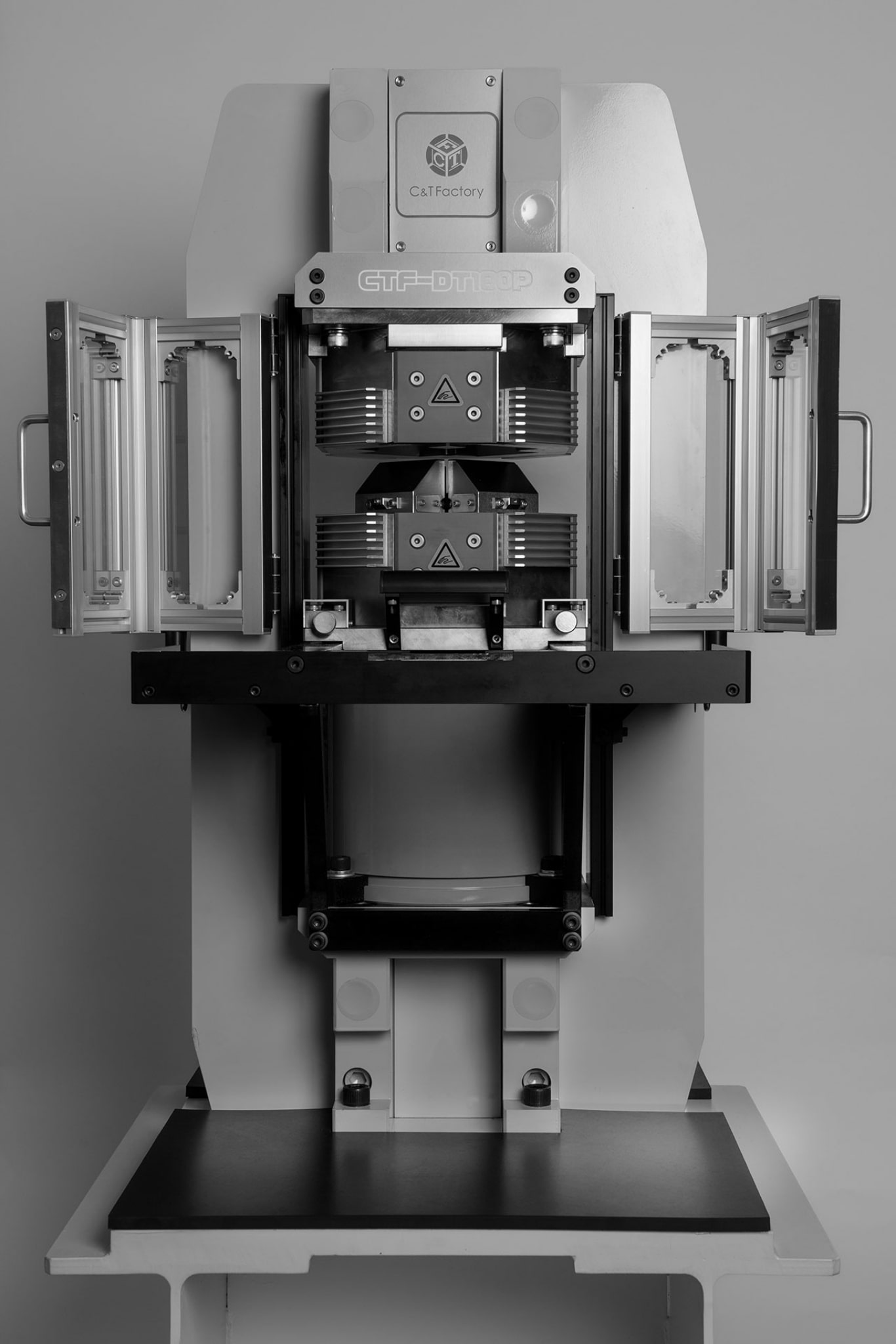
This is because CT Factory Co., Ltd. receives requests from academics at university laboratories and national research institutes to design, manufacture, and sell research and experimental equipment.
"We don't have any unique technology that only we can provide. We create drawings in consultation with the client based on their requests, arrange partner factories, and complete the product. So, it might be closer to a coordination job. Therefore, I believe anyone could do it if they wanted to."
However, there are few competitors because few companies want to do this kind of work.
The reason for this is that manufacturers and researchers operate in different worlds. Researchers' primary focus is research. Manufacturers cannot detach themselves from business. It is difficult for two parties from different worlds to connect effectively.
CT Factory Co., Ltd.'s key strength is its ability to complete one-of-a-kind products that researchers require, while coordinating these differences.
A Unique Stance on Manufacturing
In the past, craftsmen used their ingenuity to create products that met customer demands. The products created in this way were full of individuality.
However, current manufacturing is different.
Due to the demand for mass production and advanced mechanization, the requirement is that anyone can produce the same result.
"Manufacturing that doesn't require individuality and lacks flavor is becoming mainstream. While that may be unavoidable, I question whether truly good products can be made that way."
People have both strengths and weaknesses.
The same applies to the research equipment produced by CT Factory Co., Ltd.
While manufacturing that is universally easy to use might be the correct business approach, focusing solely on that can stifle groundbreaking ideas.
"While manufacturing for sales is important, respecting the individuality of the creator is also crucial. To put it extremely, even if someone oversleeps and comes to work late, if they can create something interesting, that's fine. If you eliminate weaknesses, you might also eliminate the strengths that should be cherished."
Much of the research equipment produced by CT Factory Co., Ltd. is unprecedented and highly specialized, making the process of bringing it to fruition extremely challenging.
However, what makes this possible is an environment that maximizes respect for the strengths of engineers.
Becoming One Team with the Customer
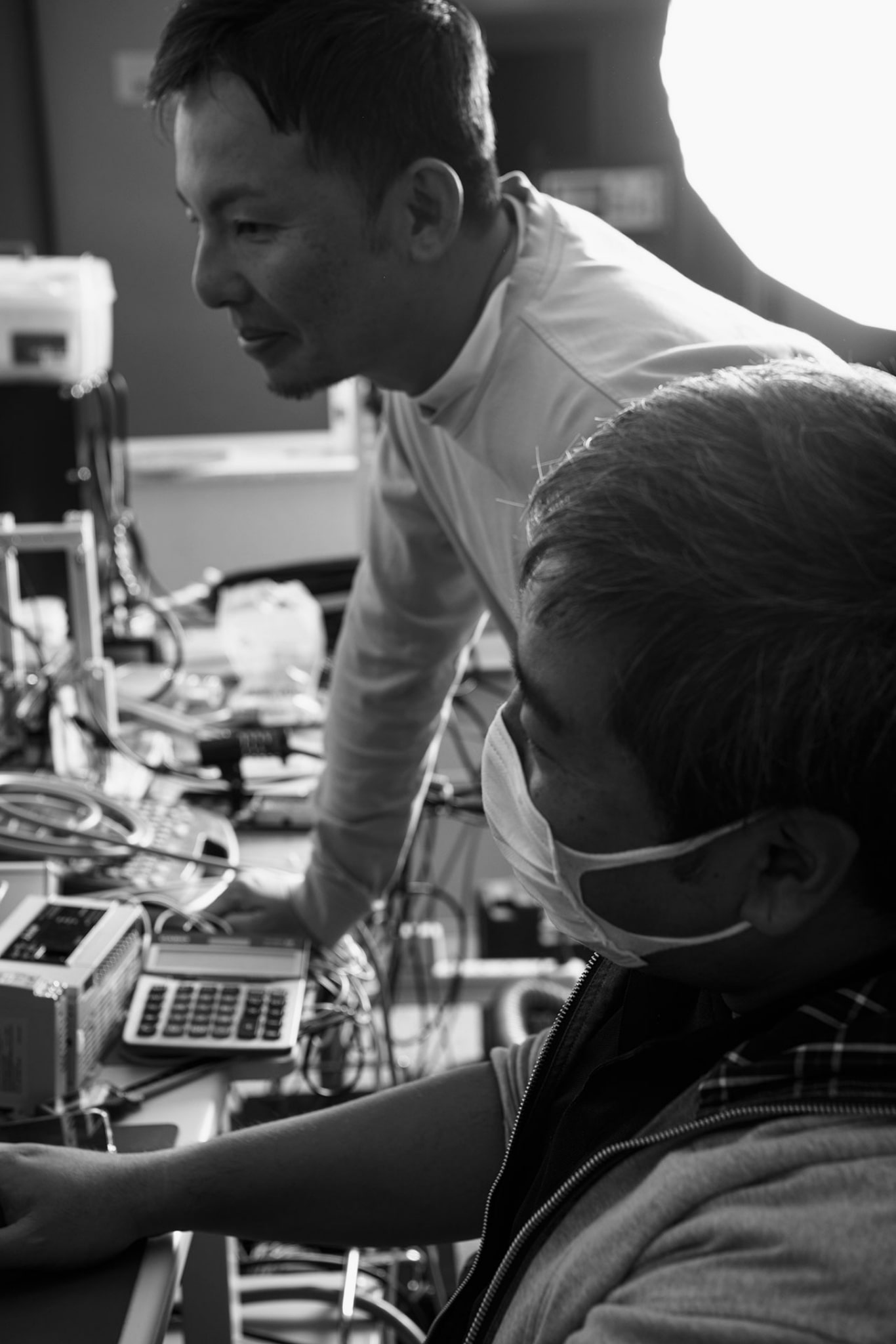
"We consider the academics who are our customers to be our partners."
The process of realizing research equipment is not straightforward.
This is because CT Factory Co., Ltd., as the manufacturer, does not have knowledge or experience in research itself.
For example, if you have experience driving a car, you can somewhat imagine the performance required of a car.
However, without that experience, you cannot imagine the required performance, nor can you give it form.
"Academics sit down with us and consider our proposals. By exchanging ideas, such as 'Wouldn't it be better to do it this way?', ideas take shape."
It is impossible to create good research equipment in a relationship where one party unilaterally dictates what to build.
This is because fear of failure or trouble leads to conservative manufacturing that limits performance.
However, if the relationship allows for collaboration as partners, it's possible to create something close to 100% of the ideal.
To create high-level research equipment, mutual cooperation is a crucial factor.
From a Different Industry to Manufacturing
CT Factory Co., Ltd.'s stance may stem from Yamamoto's background.
Yamamoto, who had been working in a field completely unrelated to machinery, was encouraged by his uncle to join his company. His uncle's company was involved in the design and manufacturing of research equipment.
"I knew nothing about machinery. I started by studying drafting, learning from my uncle."
He would draw drawings by hand and take them to local small factories to show them.
"Back then, there were many strict craftsmen, so I sometimes got scolded with 'What is this drawing?'"
It was a completely unknown world, but it suited Yamamoto. He became increasingly fascinated by the appeal of manufacturing.
Among these, what particularly captivated Yamamoto was 'people'.
Even when the same drawing is given to small factories with similar environments and technical capabilities, the quality of the finished parts can be completely different.
Factories that produced lower-quality parts still possessed sufficient technical skill and knowledge. The parts were finished according to the drawing and were perfectly usable. Yet, when compared, their quality was inferior.
Yamamoto became interested in how such differences arose.
"I believe this difference isn't about manual dexterity or knowledge, but rather an antenna-like sensitivity to notice subtle details."
Observing craftsmen's work up close, he felt that achieving quality beyond the drawing was a sense for noticing fine details. And he believes that is precisely the good aspect of a craftsman.
It is perhaps because Yamamoto was drawn to this 'human' aspect that he came to emphasize "interesting manufacturing."
Aiming for "Edgy" Manufacturing
The 'human' aspect that Yamamoto found appealing is also something that has been diminished in factories in recent years.
Especially for mass-produced items, consistent quality without variations among craftsmen is more important than craftsmen achieving higher precision.
For users, this offers the benefit of consistently obtaining products of a certain quality or higher.
"The aspects of craftsmen that I admire might not be desirable in today's era. However, it's sad if the good qualities of craftsmen fade away and are no longer passed down."
What Yamamoto aims for is "edgy manufacturing."
"I also want to develop products for general needs. I'd like to do work where products that incorporate many 'edgy' human elements are appreciated, even a little."
This 'edgy' doesn't mean something that scores average in everything, but rather something that possesses the best function in at least one aspect, unrivaled by others.
"However, if you aim for edgy manufacturing, it's difficult without employees who share that mindset."
Work proceeds smoothly with people who are good at coordination or management. However, since their role is to smooth out the 'edges' to prevent problems, edgy manufacturing becomes difficult.
"If you follow rules and think 'what everyone says is good is good,' you can't create edgy products. You might create beautiful things, but they'll feel like 'something you see everywhere.' I want to do work where I can proudly say, 'Regardless of other aspects, isn't this part amazing?'"
This kind of edgy manufacturing will also lead to the inheritance of the 'human' aspect of craftsmen that Yamamoto was drawn to.
There's also a saying, "Birds of a feather flock together."
It is likely that he will continue to realize edgy manufacturing with staff who resonate with Yamamoto's vision.